
THE ROADLESS RULE
How rescinding the Roadless Rule will negatively impact grizzlies, and what you can do. Comments are due September 21.
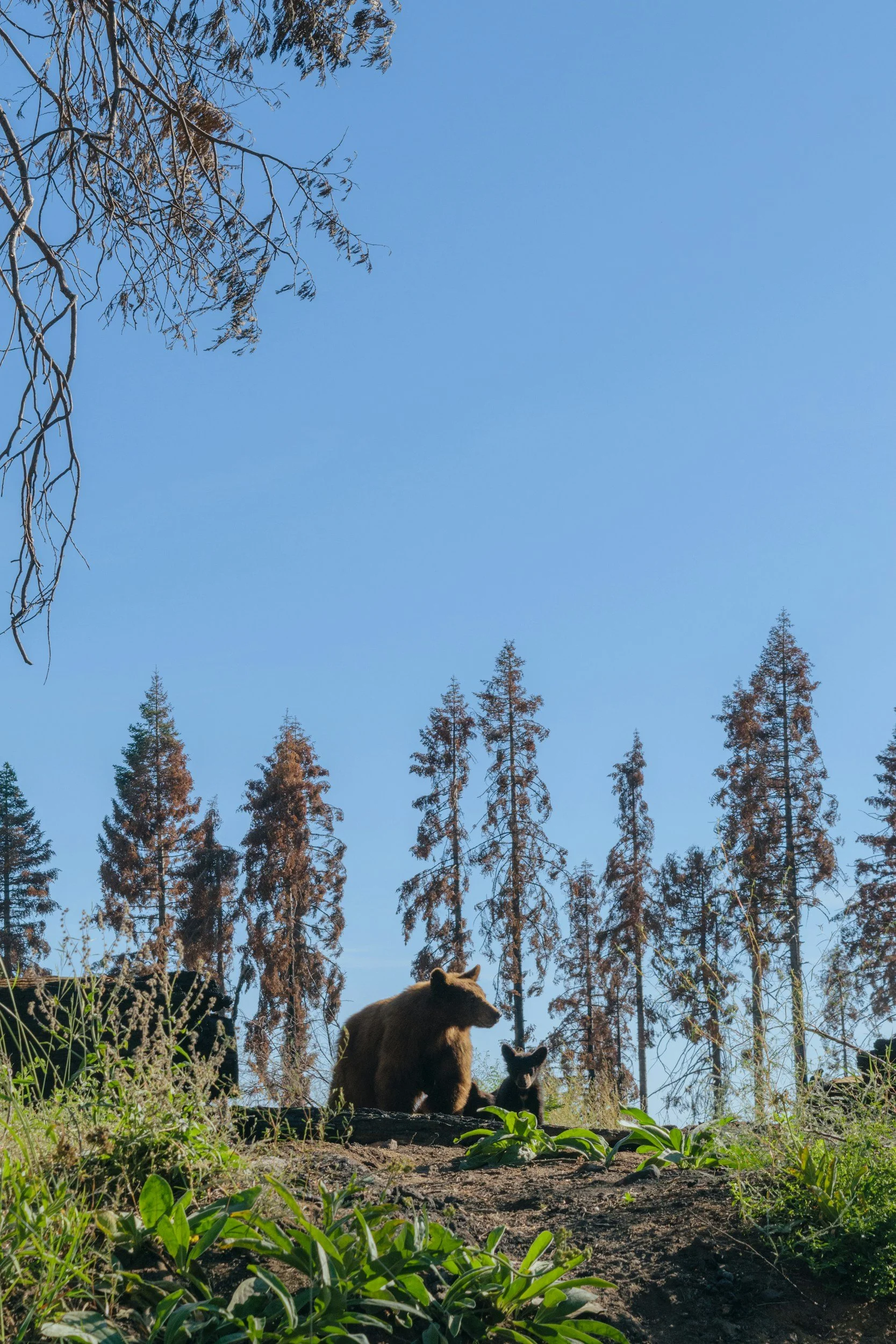
For 25 years, the Roadless Rule has helped protect roughly 58 million acres of the last remaining intact wildlands on national forest lands that provide clean drinking water to local communities, and habitat for a range of imperiled fish and wildlife species, especially grizzly bears.
The Trump administration just released its Draft Environmental Impact Statement (DEIS) for its proposed repeal of the 2001 Roadless Area Conservation Rule. As anticipated, the proposal completely abolishes the Roadless Rule, which would open nearly 45 million acres of National Forest lands to damaging road construction, logging, and other industrial extraction.
Comments on the DEIS will only be accepted until September 21, so there is a very short window for the public to stand against this senseless attack on public lands.
Grizzlies need large, connected landscapes to find food, raise cubs, and move between secure habitats. Roads create serious risks and barriers for bears. They fragment habitat, reduce available food sources, and allow people to penetrate deep into wild country, leading to higher chances of bear conflicts and deaths. Motorized use on old roads, trails and areas causes significant habitat disruption and harassment of individual bears, especially when females emerge from their dens with their cubs. Protecting roadless areas gives grizzlies the space and safety they need to recover and eventually thrive.
Roadless Areas provide some of the highest value areas for grizzly bear connectivity, for female bears that includes roughly 7.7 million acres, and for male bears that includes 6.7 million acres. This represents 48% and 44% respectively of the highest value connectivity pathways needed to reconnect isolated populations.
Rescinding the 2001 National Roadless Area Conservation Rule threatens grizzly bear recovery by stripping away protections in Montana and Wyoming, including habitat grizzlies need for connectivity. This includes roughly 4.4 million acres within female connectivity pathways, and 4.3 million acres for males.
Many acres of Roadless Areas are adjacent to other protected lands, such as congressionally designated wilderness areas. “This provides a major cumulative benefit for large animals, such as the grizzly bear, by increasing the size of security areas and improving travel ways to other habitat.”
The U.S. Fish & Wildlife Service often relies on Roadless Area protections to support grizzly bear recovery and explained they “can enhance the security of habitat for grizzly bears since these designations protect grizzly bear habitat from new road construction, new oil and gas development, new livestock allotments, and timber harvest.”
USE YOUR VOICE
Grizzlies need you to speak up for them today.
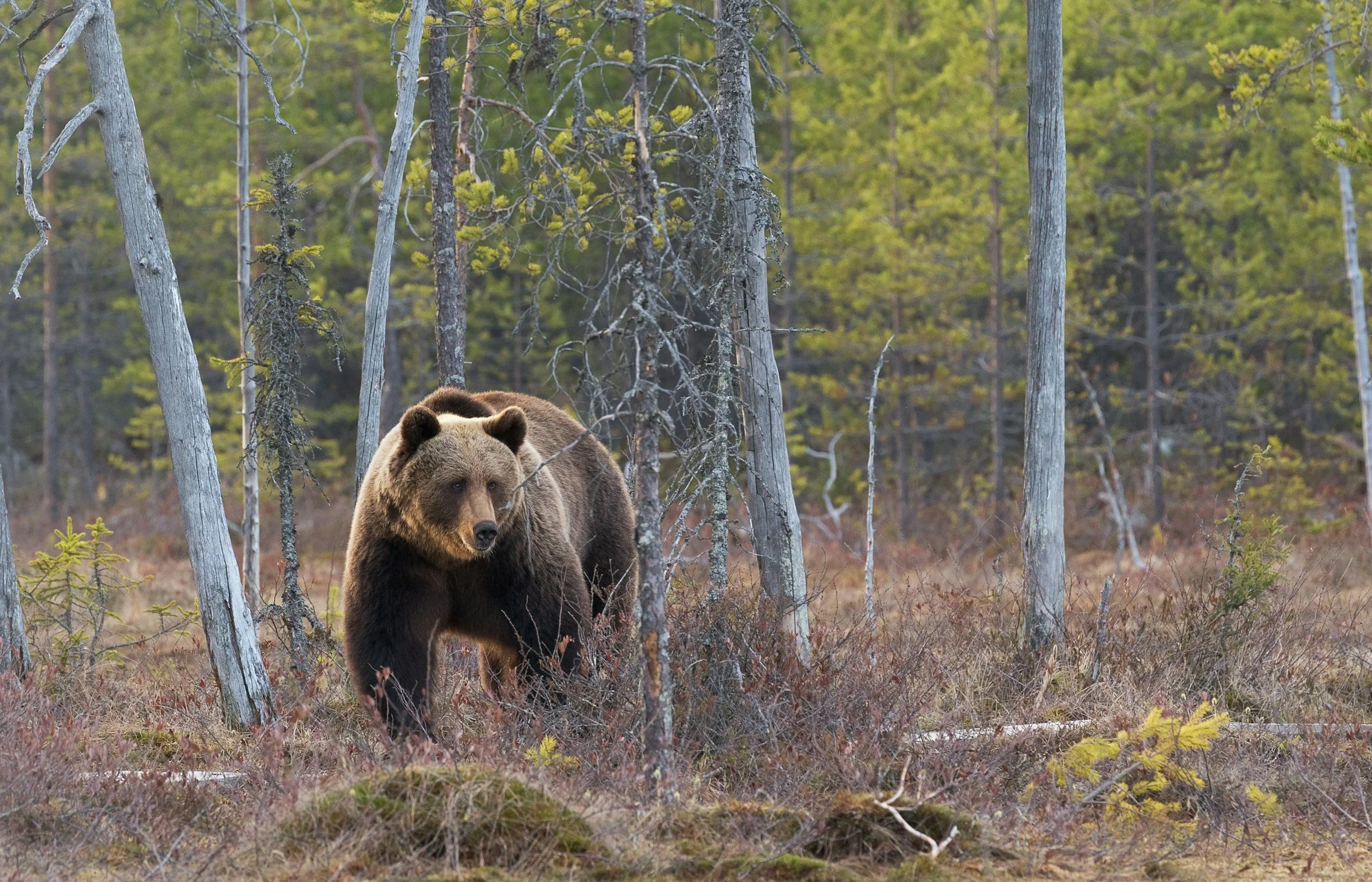
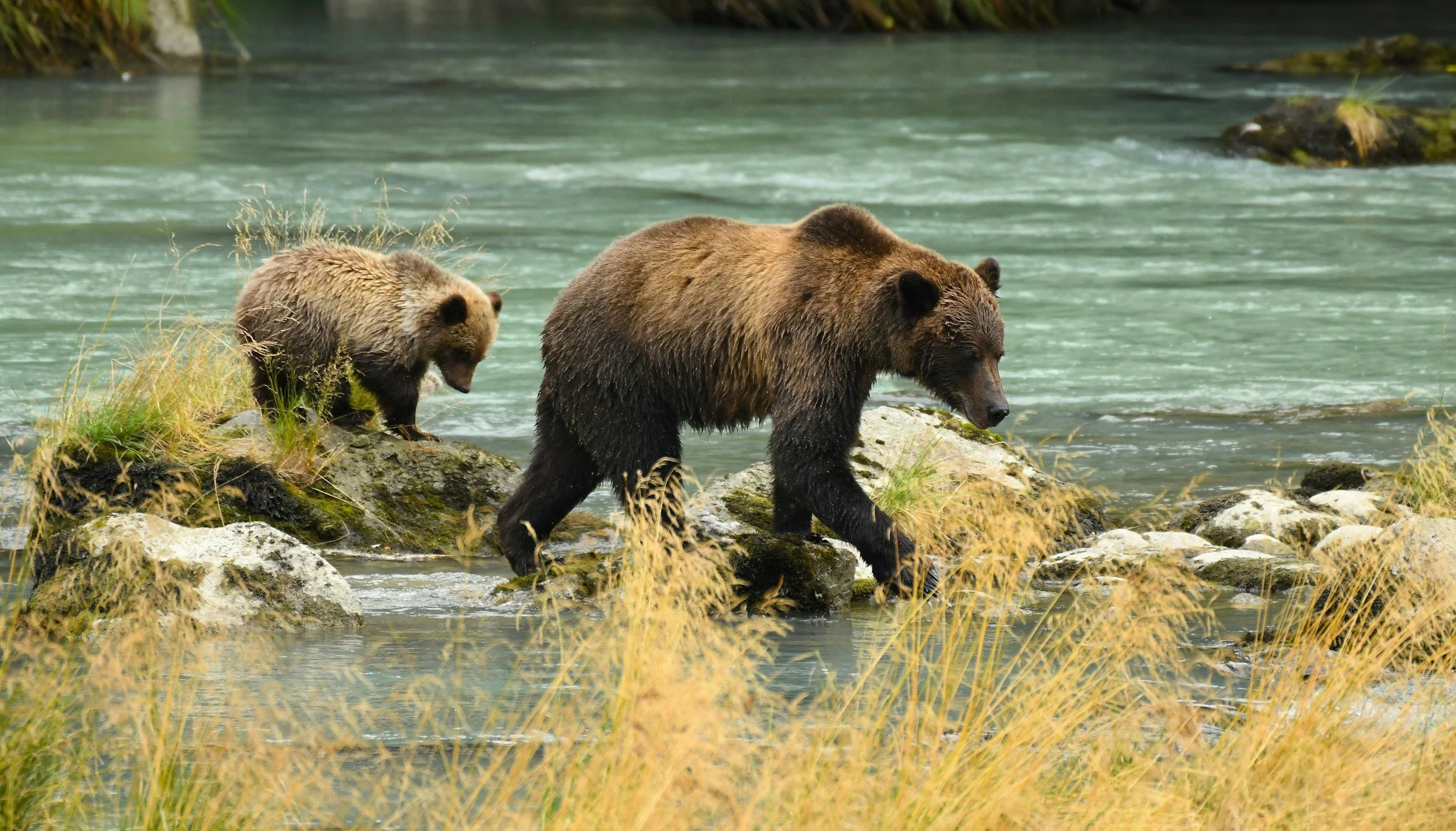
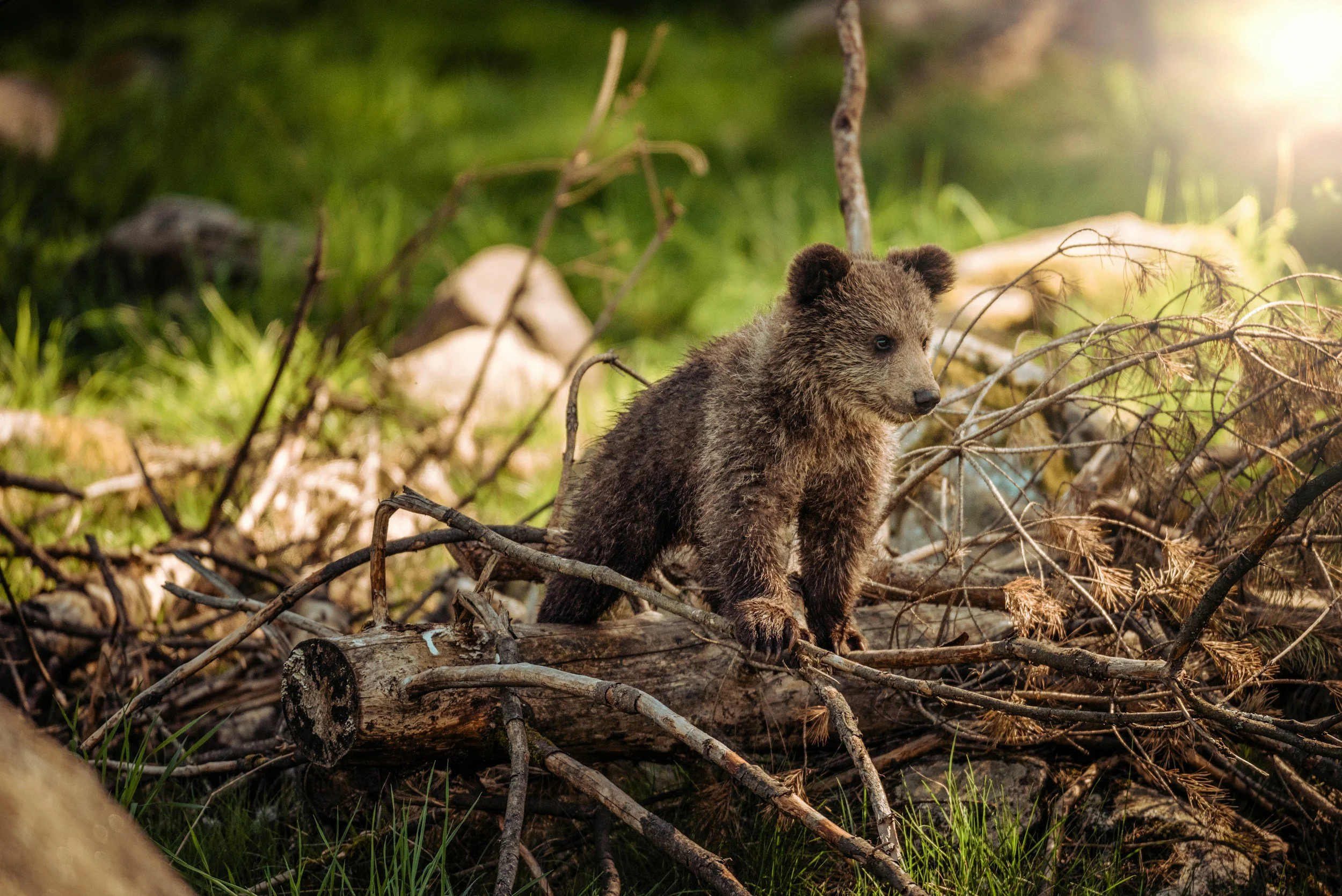

SOCIAL MEDIA CAPTION: Roadless areas provide habitat that makes grizzly recovery possible. Up to 7.7 million acres of connectivity pathways occur within Roadless Areas. Reducing some of those protections and you remove the conditions bears need to survive. Take action today against rescinding the Roadless Rule: bearsbelong.com
SOCIAL MEDIA GRAPHICS
Click on the graphic of your choice below and right-click to save the image to your device to pair with text!

SOCIAL MEDIA CAPTION: For 25 years, the Roadless Rule has kept some of the last intact national forest wildlands from being carved up by roads, drilling, and logging. That protection is now at risk across 45+ million acres. For grizzlies, roads mean fragmentation, conflict, and higher mortality. Roadless means space to live. Take action today against rescinding the Roadless Rule: bearsbelong.com

SOCIAL MEDIA CAPTION: Grizzlies don’t just need habitat. They need secure habitat. Roads bring people, speed, noise, poaching risk, and displacement — especially for females with cubs. That’s why the U.S. Fish & Wildlife Service relies on roadless areas for recovery. No roadless = no recovery. Take action today against rescinding the Roadless Rule: bearsbelong.com

SOCIAL MEDIA CAPTION: If you care about grizzly bears in the lower 48, you should care about the Roadless Rule. These remaining intact forests provide the secure habitat and connectivity grizzlies need to survive and expand—free from the roads, fragmentation, and industrial pressure that so often follow. Take action today against rescinding the Roadless Rule: bearsbelong.com